
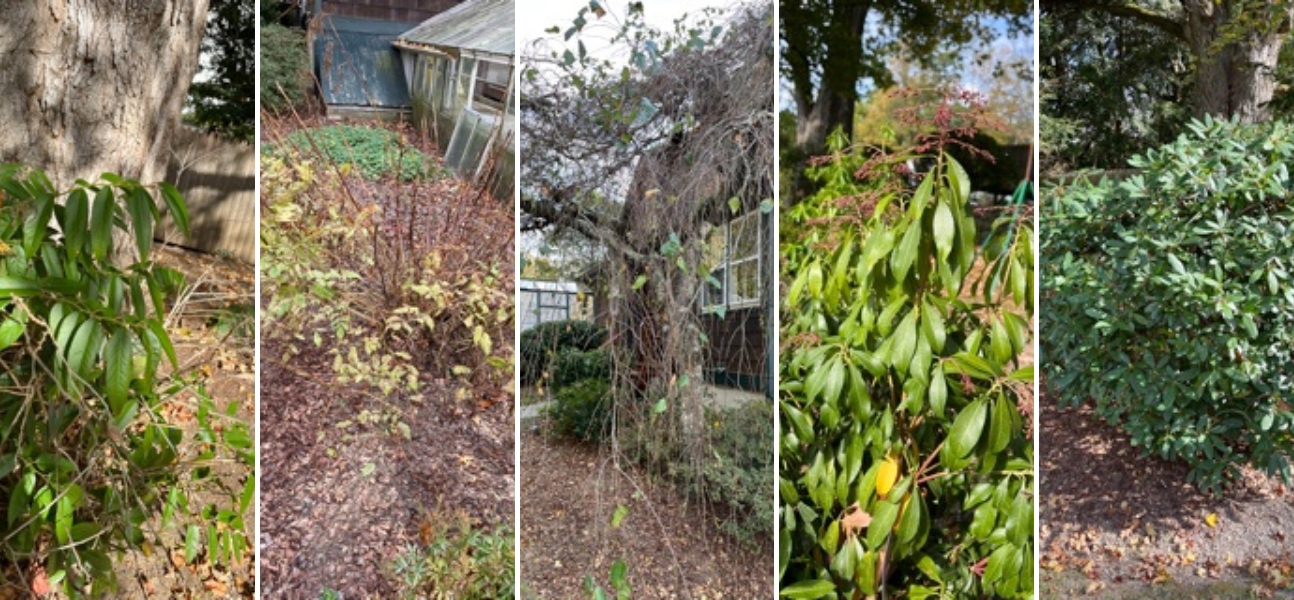
Every spring, gardeners take a hard look at their broadleaf evergreens—rhododendrons, mountain laurels, hollies, boxwoods—and wonder what went wrong. Leaves are brown or curled, branches look tired, and entire plants appear to have lost their shine.
The cause is often winter burn, a form of cold-season desiccation that damages foliage when evergreens lose more water through their leaves than their roots can replace. But what many homeowners don’t realize is that the trouble often starts months earlier—during summer drought.
The Lasting Impact of a Dry Summer
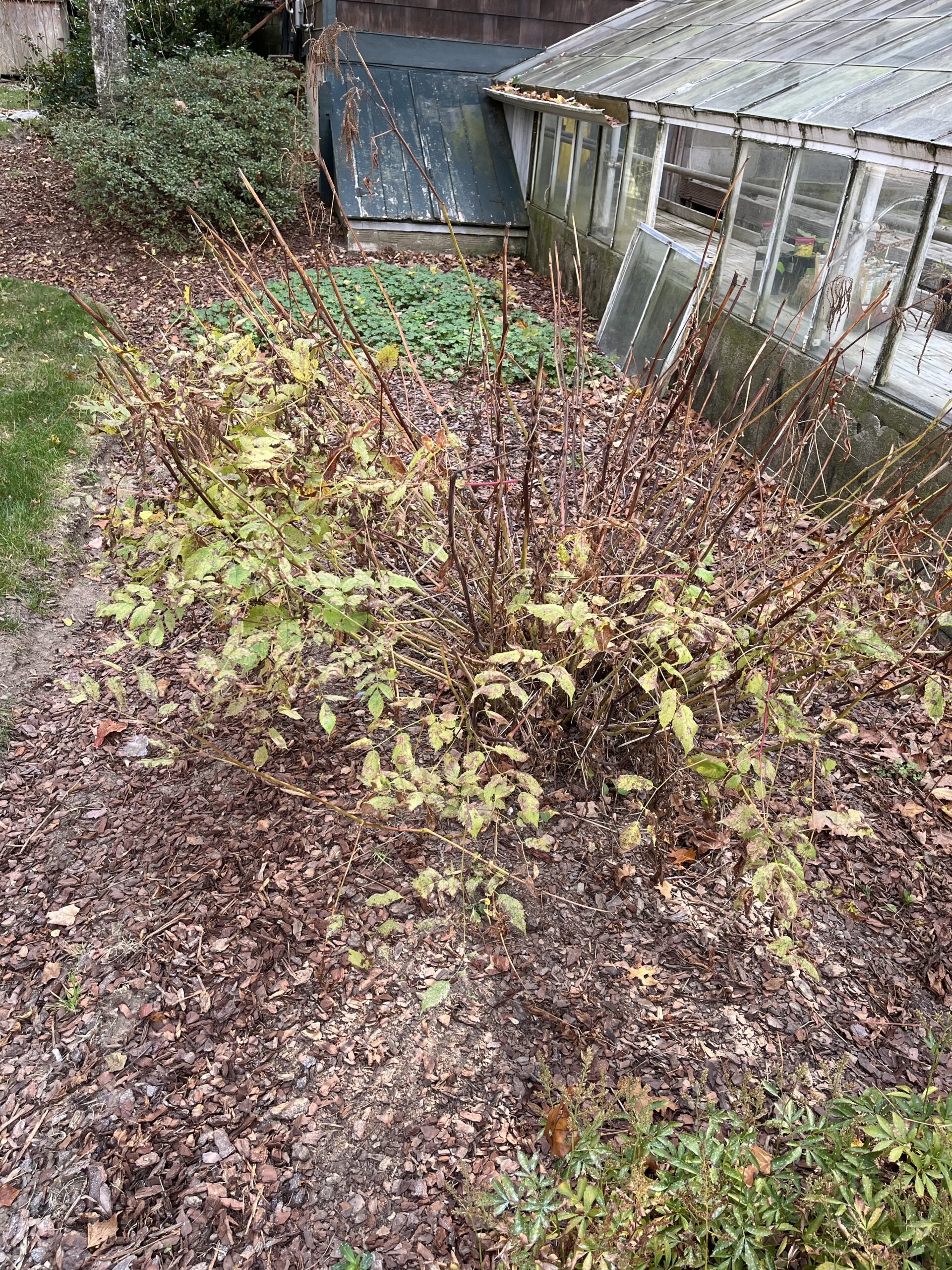
When Connecticut goes through a spell of dry weather, plants experience drought stress that weakens them long before winter arrives. Water is essential for nearly every process in a plant’s life—nutrient uptake, photosynthesis, temperature regulation, and the maintenance of cell pressure that keeps leaves and stems firm.
As soil moisture drops, plants respond by closing their leaf pores (stomata) to slow water loss. That helps conserve what little water remains but also limits photosynthesis, nutrient flow, and carbohydrate production. Over time, the plant’s energy reserves shrink, leaving it less prepared to endure cold, wind, and sun when winter returns.
Drought stress symptoms—leaf rolling, yellowing, premature leaf drop, and reduced growth—are often warning signs of bigger problems to come.
Winter Burn: A Problem That Starts Underground
In late winter, the sun shines brighter and the air turns dry, but the soil remains frozen. Broadleaf evergreens continue to lose moisture through their leaves while their roots are locked in ice, unable to pull in water.
If those plants enter winter already dehydrated and low on energy from summer drought, they’re far more likely to suffer desiccation injury—the telltale leaf burn, curling, and dieback we see in early spring.
This is why healthy, well-watered plants in the fall tend to survive winter in far better shape than those stressed during summer.
What You Can Do Now
Water Deeply in Fall
If conditions allow, water deeply before the ground freezes. Prioritize newly planted or shallow-rooted shrubs. Deep, slow watering is best — a soaker hose or drip system allows moisture to reach the entire root zone.
Mulch and Weed
A two- to three-inch layer of mulch helps retain soil moisture and insulate roots. Keep mulch a few inches away from trunks and stems to prevent rot. Remove weeds that compete for water and nutrients.
Hold the Fertilizer
Avoid late-season fertilization, which encourages tender new growth that is easily damaged by cold.
Consider a Protective Coating
For evergreens that have struggled in past winters or for properties exposed to sun and wind, applying an antitranspirant can provide an extra layer of protection.
The Case for PlantCoatPro
At Redding Nursery, we recommend PlantCoatPro, a professional-grade antitranspirant developed by the makers of DeerPro. It forms a clear, breathable coating on foliage that helps reduce water loss during the cold, dry months — without blocking light or harming the plant.
Used in late fall, PlantCoatPro helps evergreens hold onto their internal moisture through winter, reducing the risk of leaf burn, desiccation, and dieback. It’s especially beneficial for:

- Broadleaf evergreens such as rhododendron, mountain laurel, boxwood, and holly
- Newly planted shrubs and trees
- Exposed landscapes subject to sun and wind
Our team at Redding Nursery offers PlantCoatPro applications each fall for customers concerned about drought stress and winter damage. It’s a simple, effective step that can make the difference between a plant that struggles through spring — and one that comes back strong.
Final Thoughts
Winter burn isn’t just a winter problem — it’s a symptom of stress that began months before. By managing soil moisture through summer and early fall, and by adding a protective layer like PlantCoatPro before winter sets in, you give your evergreens the best chance to stay healthy year-round.
As with most things in the garden, prevention is easier than recovery.
 Share on Facebook
  Tweet this post
Recent Comments